
Encode and Decide
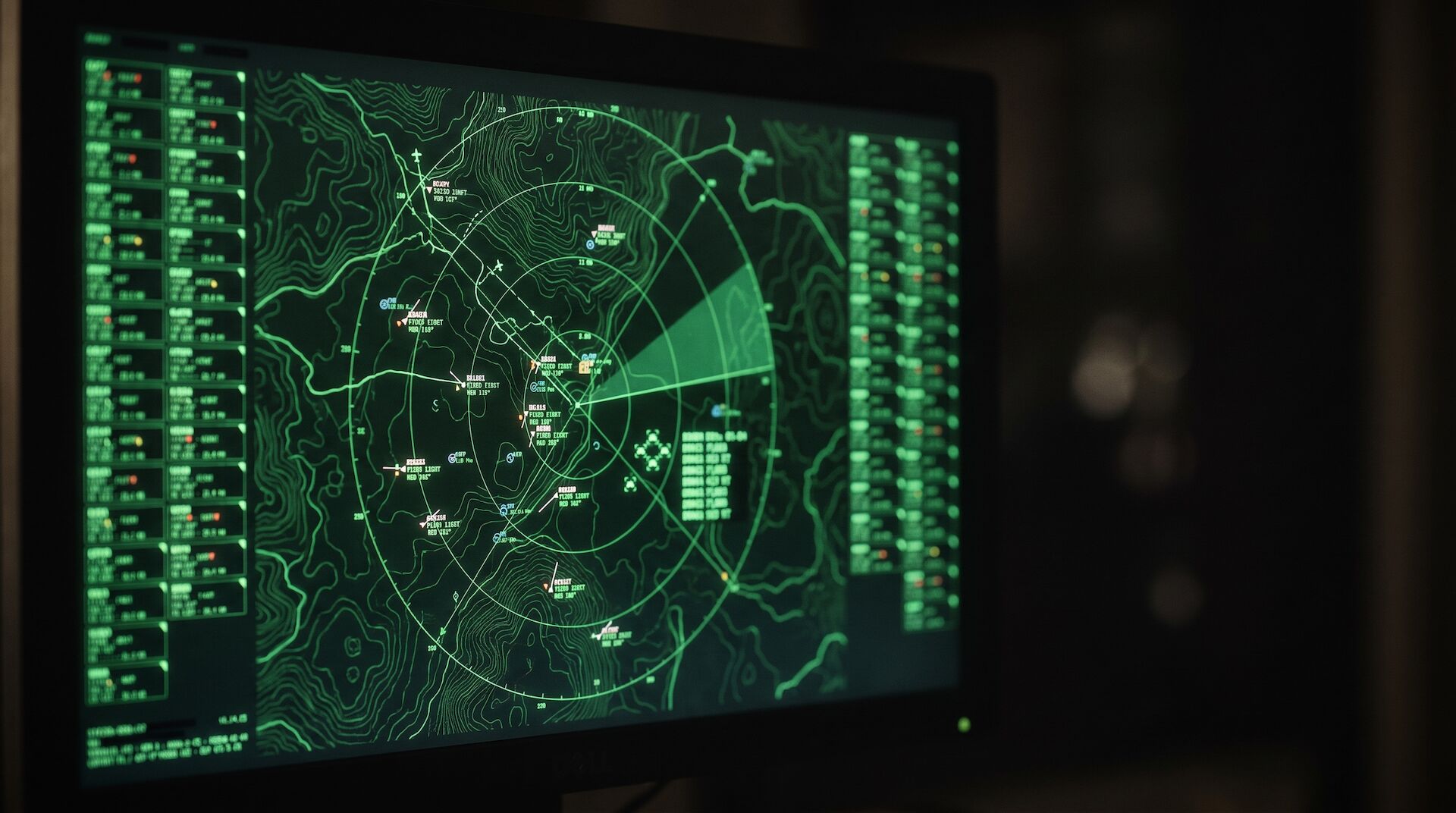
Thalamus V1
Every sensor sees a fragment. Our models assemble them into one picture. Today that picture lays every cooperative aircraft and drone, and live incidents, over the map of the infrastructure it protects — a track becomes a question of what it is approaching. Optical, acoustic, RF and radar will feed the same picture, and so will weather, terrain and populated areas: what the conditions allow, and what lies beneath.
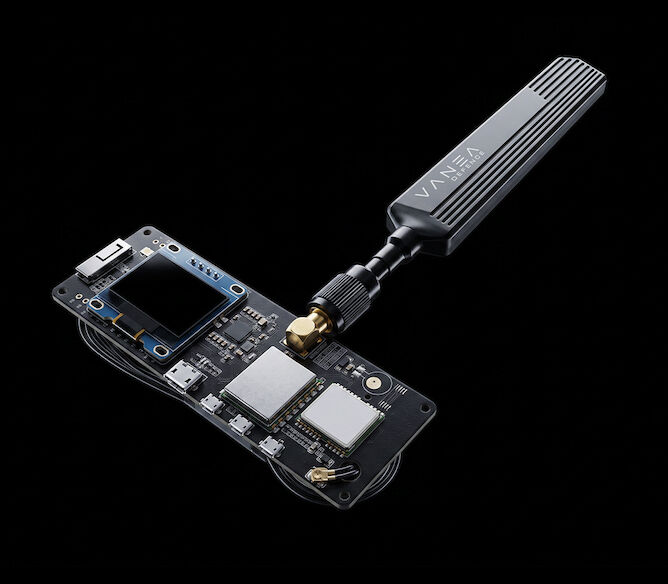
| DATA SOURCES | Live reports from cooperative aircraft and drones, live incident data |
| REFERENCE | Maps of critical infrastructure and protected assets |
| OUTPUT | AI-driven situational awareness map |

SACCADE v1
When an attack arrives in numbers, the order in which it is met decides the outcome. SACCADE will set that order. It will return a sequence the effectors can work down, inside the engagement window.

PLEXUS v1
PLEXUS is a decision-support system that holds the fight and the supply chain in one model. It will weigh what is in the field, what is in stock, what is being built and what is coming, and propose where the next unit goes.
| INPUTS | Situational picture and engagement sequence from the detection layer; consumption, stock and build state from the production network |
| OUTPUT | Proposed commitments and production priorities, with the trade shown. |
| CONTROL | Recommendation to a human decision-maker |


REFLEX V1
REFLEX is the software that runs on every swarm node. It turns many nodes into a swarm. It is where the swarm's intelligence sits. The swarm will work out the tactic that fits the formation in front of it — from one swarm node per object to the whole swarm on one — and will change it while the engagement runs. Because it is software, new tactics will reach the swarm faster than any airframe can be redesigned.

TRACT Mk 1
TRACT is a delay-tolerant, bandwidth-frugal satellite control method with intelligence at both ends of the link. It will command many small units as one, anywhere on the planet, from anywhere on the planet. It will run over existing European satellite constellations, will get stronger with every satellite that joins one, and is built for a sovereign European constellation of its own. Patent pending.
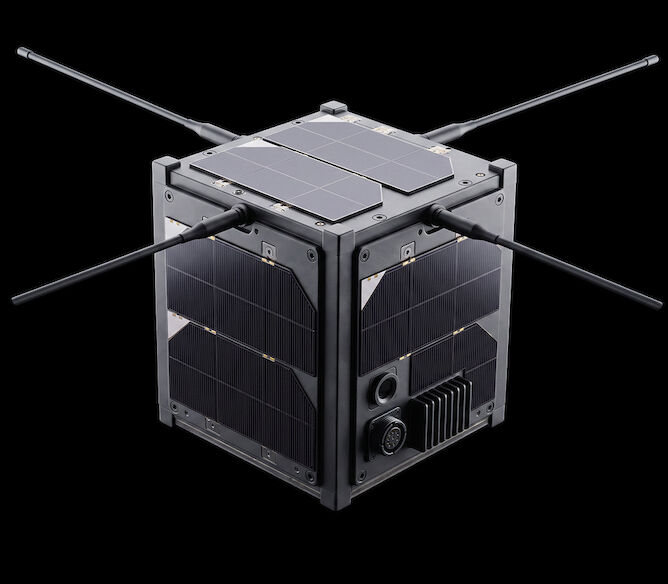
| OPERATING ENVELOPE | Link budgets measured in bytes, not megabits; latency in seconds, not milliseconds; interruption as the normal case |
| CONTROL RATIO | Many units per operator |
| TRANSPORT | Existing low-data-rate satellite constellations, no dedicated ground infrastructure in theatre |