
Infrastructure

MARROW Mk 1
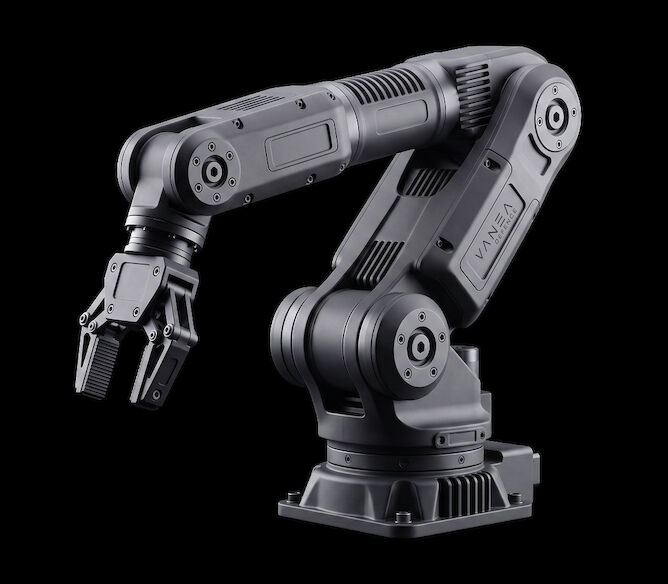
MARROW is an autonomous robotic production node — a machine that builds machines. It will travel to where systems are being consumed and build them there. Robots will do the full assembly and will fabricate structural parts on site, so output will scale with the number of nodes rather than the size of a plant. Production stops being a place and becomes a network with no centre to strike. And these nodes will share what they know — consumption, schedules, design revisions — so a shortage will be visible before it arrives. Patent pending.
| TARGET OUTPUT | 120 drones per day, per node. |
| TARGET TIME TO FIRST UNIT | Under 60 minutes from arrival |
| NETWORK | Decentralised; builds reroute to the nodes still reachable |
| SUPPLY | Suppliers integrated into the same network, scheduled against confirmed capacity |

TRACT Mk 1
TRACT is a delay-tolerant, bandwidth-frugal satellite control method with intelligence at both ends of the link. It will command many small units as one, anywhere on the planet, from anywhere on the planet. It will run over existing European satellite constellations, will get stronger with every satellite that joins one, and is built for a sovereign European constellation of its own.
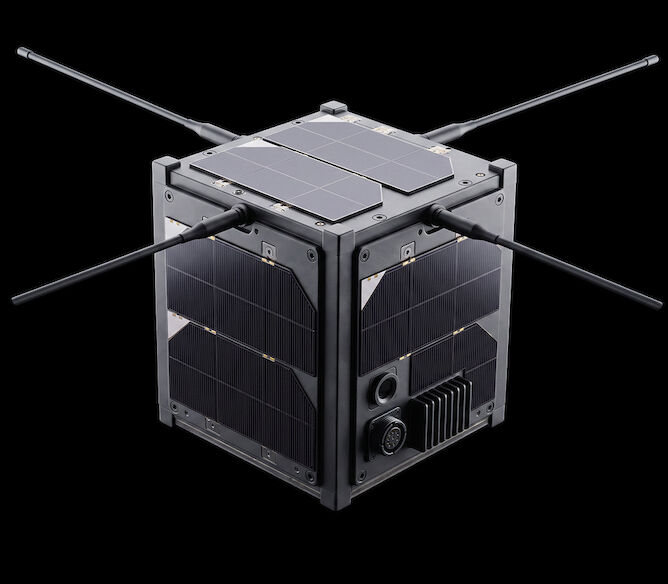
| OPERATING ENVELOPE | Link budgets measured in bytes, not megabits; latency in seconds, not milliseconds; interruption as the normal case |
| CONTROL RATIO | Many units per operator |
| TRANSPORT | Existing low-data-rate satellite constellations, no dedicated ground infrastructure in theatre |

PLEXUS v1
PLEXUS is a decision-support system that holds the fight and the supply chain in one model. It will weigh what is in the field, what is in stock, what is being built and what is coming, and propose where the next unit goes.
| INPUTS | Situational picture and engagement sequence from the detection layer; consumption, stock and build state from the production network |
| OUTPUT | Proposed commitments and production priorities, with the trade shown. |
| CONTROL | Recommendation to a human decision-maker |
